Travertine Marble vs. Engineered Stones: Which is Better for Chennai’s Modern Homes?
When Chennai homeowners weigh options for flooring, cladding, or countertops, two contenders come up again and again: natural travertine and engineered stones (commonly quartz-based). Each has distinct personality, performance, and maintenance needs — and Chennai’s coastal, humid climate adds another layer to consider. This guide will help you decide which material suits your project best while incorporating the search-friendly focus keyword travertine Marble in Chennai.
What is Travertine — and why Chennai homeowners love it
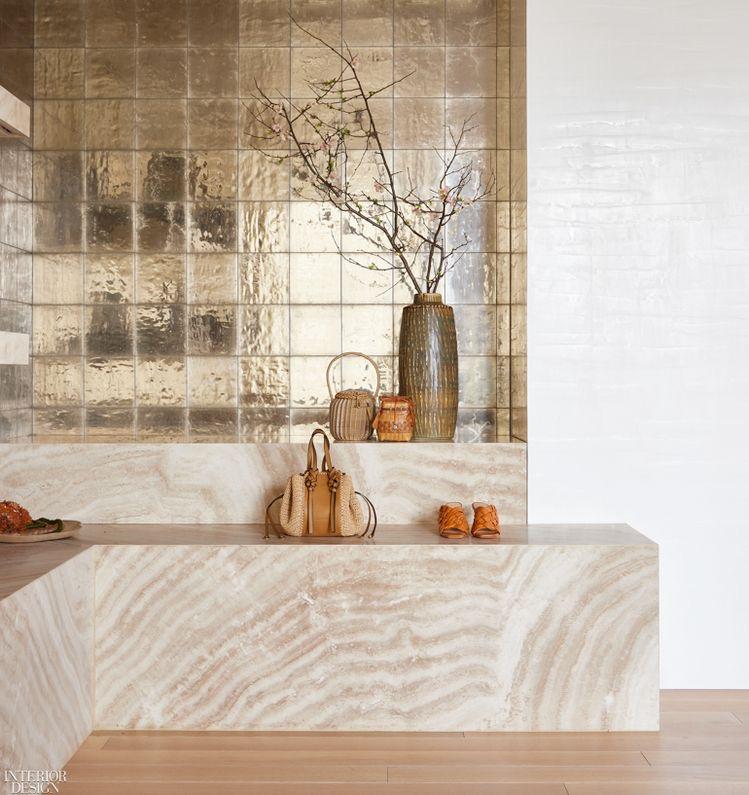
Travertine is a natural limestone deposited by mineral springs. It has warm, earthy tones — creams, beiges, light browns — and characteristic pores and veins that give it a textured, classic look. For Chennai homes that favour a natural, Mediterranean or heritage-modern aesthetic, travertine Marble in Chennai brings an organic warmth that’s hard to replicate.
Pros of Travertine
-
Timeless, natural appearance with unique veining and texture.
-
Cool underfoot — helpful in Chennai’s hot months.
-
Great for creating seamless indoor-outdoor transitions (patios, verandahs).
-
Ages beautifully; small scratches or wear can add character.
Cons of Travertine
-
Porous by nature — requires sealing and periodic re-sealing to resist stains.
-
Softer than many natural stones; can scratch or chip with heavy use.
-
Can be more expensive to source and install if you want high-grade, well-matched slabs.
-
Needs careful installation to prevent moisture issues in humid climates.
What are Engineered Stones?
Engineered stones (often sold as quartz surfaces) are manufactured from crushed natural quartz mixed with resins and pigments. They deliver consistent colours and patterns, low porosity, and high hardness. Engineered options are widely used for kitchen countertops, bathroom vanities, and high-traffic flooring.
Pros of Engineered Stones
-
Non-porous and highly stain-resistant — low maintenance for kitchens and bathrooms.
-
Extremely durable and scratch-resistant.
-
Wide variety of consistent colours and finishes — easier to match design palettes.
-
No sealing required; hygienic and easy to clean — a plus for busy Chennai households.
Cons of Engineered Stones
-
Can be noticeably uniform and less “natural” in appearance compared to travertine.
-
Sensitive to high heat (hot pans) — heat-resistant varieties exist but you still need trivets.
-
Heavier and may require stronger substrate/support during installation.
-
More industrial look might not suit homes seeking a traditional or rustic charm.
Climate Considerations: Chennai’s Heat and Humidity
Chennai’s tropical climate — hot summers, high humidity, and coastal salt air — influences material performance.
-
Moisture & Porosity: Travertine’s porosity means it can absorb moisture and, in coastal areas, salts that can cause efflorescence or staining if not properly sealed. Regular sealing and proper sub-surface preparation are essential. Engineered stones, being non-porous, handle humidity much better and resist salt-related problems.
-
Thermal Comfort: Travertine stays cool underfoot, which is pleasant in Chennai’s heat. Engineered stones can become warmer but are still acceptable for indoor use.
-
UV Exposure: If used outdoors (verandahs or patios), engineered stones can fade slightly over long sun exposure depending on pigment stability. Natural travertine weathers naturally and may develop patina; however, outdoor installation needs good sealing and drainage.
Practical Uses — Where Each Material Shines
-
Flooring (Living, Bedrooms, Verandah): Travertine is a top choice for a luxurious, natural look and cool underfoot. For verandahs and patios, choose honed or filled travertine and apply durable sealers. Engineered stones are less common for expansive floors due to cost and appearance.
-
Kitchen Countertops: Engineered stones are generally the winner due to stain resistance and low maintenance. Travertine can be used but needs frequent sealing and careful upkeep.
-
Bathroom (Vanities, Wet Areas): Engineered stone works great for vanities and shower walls because of low porosity. Travertine can be used for floors and feature walls if sealed properly; avoid unsealed travertine in constantly wet zones.
-
Feature Walls & Cladding: Travertine’s natural texture makes stunning feature walls, lobbies, and accent panels. Engineered stone can give a sleek, modern look for contemporary interiors.
Maintenance & Lifespan
-
Travertine: Expect regular maintenance — sealing every 1–3 years depending on traffic and product. Clean with pH-neutral cleaners; avoid acidic substances. With care, travertine can last decades and increase property character.
-
Engineered Stone: Minimal maintenance — basic cleaning with mild detergent is enough. Lifespan is long; resin content may yellow over very long durations in direct UV, but indoors it stays stable.
Cost & Availability in Chennai
Prices vary by grade, finish, and source. Natural travertine Marble in Chennai may cost more initially due to importation and selection of premium tiles/slabs, though local suppliers and stone merchants often stock a range of grades. Engineered stones are widely available in India through national distributors and local fabricators; they offer predictable pricing for slabs and installation.
Sustainability & Resale Value
Travertine is natural and can be sourced responsibly; however, quarrying has environmental impacts. Engineered stones use crushed quartz and resins — some brands offer recycled content and lower-waste manufacturing. Both materials, when well-installed, add resale appeal; travertine appeals to buyers who value natural finishes, while engineered stone signals modern, low-maintenance luxury.
Recommendation for Chennai Homes
-
If your priority is natural warmth, unique texture, and cool underfoot — especially for living spaces, verandahs, and feature walls — go for travertine Marble in Chennai, but budget for sealing and maintenance, and work with experienced installers who understand Chennai’s coastal conditions.
-
If you want durability, low maintenance, and stain resistance — particularly for kitchens and bathrooms — choose engineered stone for countertops and wet areas.
-
A balanced approach often works best: travertine for floors and feature areas; engineered stone for kitchen counters and high-use wet zones.
Final Thought
Both materials are excellent — the “better” choice depends on lifestyle, design taste, and maintenance willingness. For Chennai’s modern homes, pairing the natural charm of travertine Marble in Chennai with the practicality of engineered stone often produces homes that are both beautiful and highly liveable. If you’d like, I can suggest exact tile sizes, finishes, or a sample specification checklist for contractors based on your room types — tell me which rooms you’re planning to remodel and I’ll draft it.