Travertine Marble Supply Chain: From Quarries to Homes in Chennai
When you’re living in Chennai and looking to bring in luxury natural stone like travertine marble in Chennai, it’s helpful to understand exactly how this material makes its way from quarry to finished flooring or wall-cladding in your home. Let’s walk through the supply chain — the major stages, what to watch out for, and some Chennai-specific context.
1. What is Travertine Marble?
Though often called “marble”, true travertine is technically a type of limestone formed by the deposition of calcium carbonate minerals around springs or in caves.
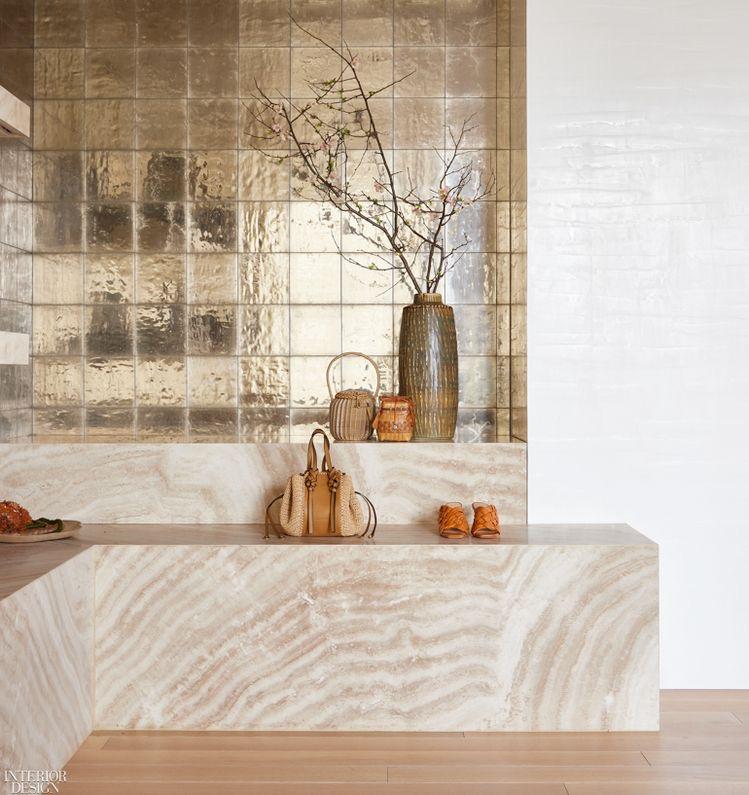
The key features of travertine include its warm earthy tones (creams, beiges, light browns), natural pitting or troughs in the surface which may be filled or left for texture, and its suitability for both flooring and wall cladding.
In the Indian supply context, travertine is treated like a high-end natural stone used in architectural and interior design settings.
So when we talk of travertine marble in Chennai, essentially we refer to the finished travertine stone product (tiles, slabs, etc) that is brought into the Chennai market for use in homes, villas, apartments, etc.
2. Quarrying & Raw Material Extraction
The first step in the supply chain is the quarry—or mines—where travertine blocks or slabs are extracted. Important steps include:
-
Identifying a suitable geological deposit. Travertine is formed around mineral springs or within limestone-rich zones.
-
Extraction of large blocks: These blocks are removed from the rock face, often using wire saws, diamond cutting, drilling and splitting methods. High quality blocks are those that are intact with uniform colour and minimal cracks.
-
Transportation of the raw blocks to processing plants. This may involve heavy equipment and logistics from remote quarry sites.
In the Indian context, although many quarries cater to more common limestone or marble, there are suppliers specialising in travertine. For example one source mentions the Indian business offering “the finest Travertine Marble and Stone in India.”
What this means for Chennai buyers:
When you procure travertine marble in Chennai, you’re tapping into a supply chain that often spans from rural/quarry areas to processing hubs, to distributors and then to local installers in Chennai. The quality begins at the quarry – so things like block integrity, colour consistency, porosity, must be inspected.
3. Processing: Blocks → Slabs → Tiles/Finished Product
Once the raw blocks arrive at the factory or processing plant, a series of operations convert them into market-ready materials.
-
Sawing the block into large slabs (often using gang saws) at typical thicknesses (e.g., 2 cm, 3 cm) depending on the design requirements.
-
Finishing the surface: Travertine may be polished, honed (matte finish), brushed/tumbled (for textured surfaces), or left raw.
-
Filling the natural holes/pits: Because travertine is naturally porous with troughs and small voids, many manufacturers fill the holes with resin or epoxy to make the surface more even and usable for interior flooring.
-
Cutting into required tile sizes, edge-profiling, quality inspection, packaging for dispatch.
Tips for procurement in Chennai:
-
Ask whether the travertine marble you’re buying has been hole-filled or unfilled; this affects cost, durability, and maintenance.
-
Confirm slab thickness, surface finish and suitability for your usage (floor, wall, outdoor vs indoor).
-
Check for uniformity of colour and pattern – since travertine has natural variation, make sure the batch you get is consistent for your space.
4. Logistics & Supply to Chennai Market
After processing, the finished travertine tiles/slabs must be transported via domestic freight or imported (depending on origin) into regional markets like Chennai.
-
Domestic procurement: Some Indian suppliers of travertine cater directly to Indian cities including Chennai. For example, directories list “Travertine Marble Dealers in Chennai” on local platforms.
-
Imported stone: Many high-end travertine varieties come from abroad (Turkey, Iran, Italy) and are imported, then shipped via port to India, then forwarded to Chennai. Global trade data show that travertine marble is exported from key countries.
-
Local warehousing and distribution: Once the stone reaches Chennai or nearby warehouses, distributors supply to local fabricators, tile shops, interior contractors, and finally to homeowners.
From the standpoint of “travertine marble in Chennai”, this means your final cost and availability will reflect quarry origin, processing, transport, import duties (if applicable), local distribution markups, and installation costs.
5. Selection & Installation in Homes
Once the stone arrives in Chennai and you’re ready to install, these are key considerations:
-
Surface finish & suitability: Polished travertine gives a glossy luxury look; honed or tumbled fits more rustic or design-forward spaces.
-
Colour and pattern: Natural stones vary — warm beige tones are popular in many Chennai homes due to their compatibility with tropical light, interiors, and Indian design palettes.
-
Porosity and maintenance: Because travertine is naturally more porous than some marbles, sealing is essential, especially for flooring in high-traffic zones or wet-areas. One user review notes:
“Travertine was pretty popular … It isn’t all that strong and it is very porous. It stains easily and has to be sealed regularly.”
-
Installation quality: Fabrication, leveling, jointing, filler use (for the pits), and correct sealing determine the final performance and appearance.
6. Why Travertine Marble in Chennai is a Good Choice
-
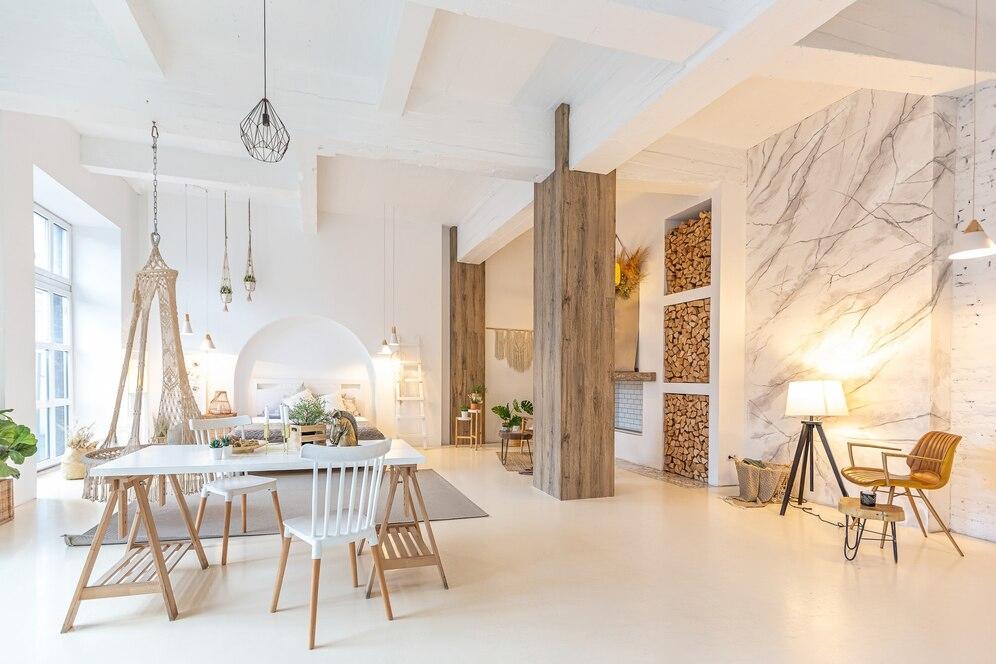
Aesthetic appeal: Travertine offers a natural stone look with warm earth-tones that complement both modern and traditional Indian interiors.
-
Durability & value: With correct processing and installation, travertine offers good durability for floors and walls.
-
Growing accessibility: As the Chennai market expands, more dealers/distributors list “travertine marble dealers in Chennai” indicating local availability.
-
Premium perception: Natural stone remains a symbol of premium finish in homes, and choosing “travertine marble in Chennai” aligns with high-end interior trends.
7. Challenges & What to Watch Out For
-
Quality variation: Travertine is natural – so blocks from different parts of a quarry or different quarries will vary. Always view samples and ideally slabs from the same batch.
-
Porosity and maintenance cost: As noted, pits and voids may require filling, sealing, and regular upkeep. If budget is tight this may become a long-term cost.
-
Transportation & cost: Stone is heavy. In Chennai you’ll want to factor in cost of delivery, handling and storage. Imported varieties may cost more and lead-times might be higher.
-
Installation knowledge: Local tile-fitters and stone installers must be experienced with travertine’s quirks (e.g., fill holes, correct adhesives, correct sealing).
-
After-care and climate: Chennai’s humidity and usage patterns (monsoons, wet areas) mean you’ll need good sealing and realistic expectations on wear.
8. Conclusion
If you’re considering travertine marble in Chennai for your home, you’re tapping into a sophisticated supply chain that begins in quarry extraction, moves through highly technical processing, logistics, local distribution, and finally fabrication and installation in your space. Understanding each stage helps you make informed choices: from selecting the quarry-origin and finish, to ensuring proper installation and long-term upkeep.
For your upcoming project at PixelTech (or your personal home) it may be wise to visit local retailers in Chennai who specialise in travertine, inspect slabs in person (colour, finish, batch consistency), ask about the origin, see the processing finish (whether holes are filled or left raw), and ensure your installer has experience with travertine in local climate conditions.