Long-term Durability of Volakas Marble: What Chennai Homeowners Need to Know
Volakas Marble in Chennai has become a popular choice for homeowners who want elegant, timeless flooring and surfaces that elevate a home’s aesthetic. If you’re considering Volakas for your living room, foyer, bathroom, or kitchen, it’s important to understand how well it holds up over time — especially given Chennai’s humid, coastal climate. This post explains the durability strengths and potential weaknesses of Volakas marble, and offers practical care and installation tips to make sure it gives you years (and decades) of beauty.
What is Volakas marble — quick primer
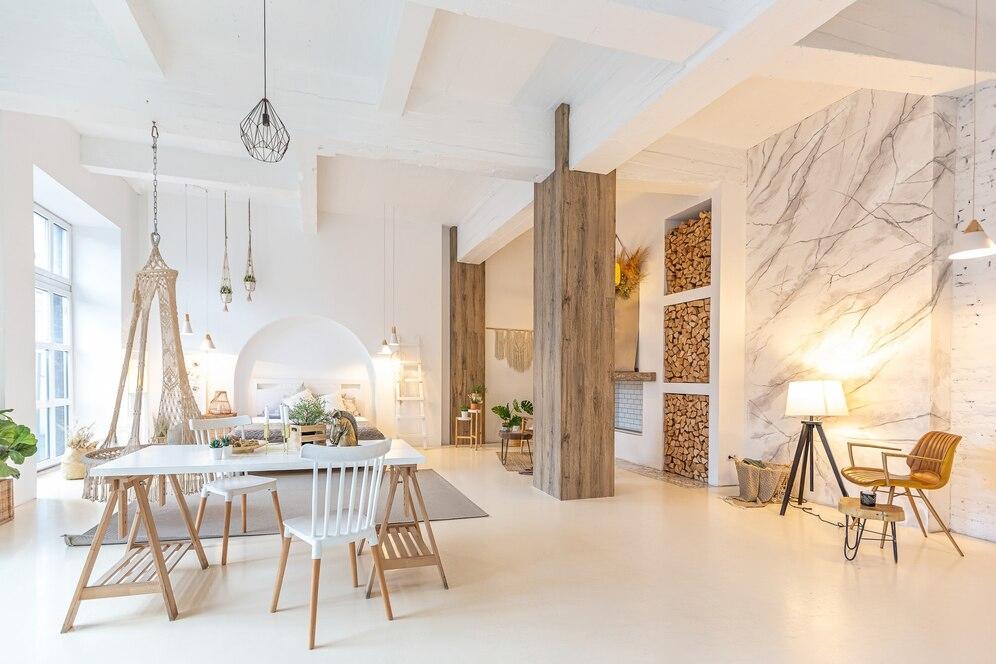
Volakas is a white marble with soft grey veining that resembles luxury Italian marbles. Its visual appeal — bright base, delicate veins, and refined sheen — makes it a favorite for countertops, floors, wall cladding, and feature areas. When people search for Volakas Marble in Chennai, they’re usually looking for that classic, light-filled look that opens up interiors and complements modern as well as traditional décor.
Durability: natural strengths
Marble is a natural stone and Volakas is no exception. Its key durability advantages include:
-
Long lifespan when cared for: Properly installed and maintained marble surfaces often last for decades. The stone itself does not “wear out” like synthetic materials.
-
Resistance to compressive loads: Marble performs well under regular household loads (furniture, foot traffic) and is suitable for most residential flooring and countertop applications.
-
Repairability: Small chips, scratches, and dull patches can usually be repaired or re-polished by a stone specialist, which extends the useful life of the surface.
Durability concerns Chennai homeowners should consider
While attractive and long-lived under good care, Volakas Marble in Chennai faces a few specific challenges:
-
Porosity and staining
Marble is more porous than engineered stones. In a humid, coastal city like Chennai, spilled liquids (tea, oil, acidic juices) can penetrate the surface unless it’s sealed properly. Acids can etch the surface, leaving a dull spot rather than a visible stain. -
Moisture and efflorescence risks
High ambient humidity and salt-laden air can accelerate moisture-related issues in improperly installed stone — especially on terraces, balconies, or external cladding where water can sit behind or under the stone. -
Scratches and wear
Marble is softer than granite and some engineered materials. Heavy abrasion (sand grit dragged in on shoes, rough cleaning pads) can cause visible scratches over time, especially in high-traffic entryways. -
Thermal and structural movement
Expansion and contraction of substrates (timber or cement screed) due to temperature and humidity changes can stress stone if not installed with the correct joints and adhesives.
Practical steps to maximize long-term durability
Choose quality stone and check thickness
For flooring and heavy-use surfaces pick thicker slabs or tiles (as per installer recommendations). Thicker pieces resist breakage and look better long-term. Inspect the slab for uniformity of veining and any natural fissures that could become weak points.
Use proper substrate and installation methods
A competent stonemason or certified installer will prepare a flat, stable substrate, use the correct adhesives, and provide movement joints where needed. In Chennai’s climate, proper waterproofing behind external cladding and correct grouting are essential to prevent moisture entrapment.
Seal regularly
Sealing fills the stone’s pores and reduces staining and liquid penetration. While sealers are not permanent, a maintenance schedule — typically annual or as recommended by the sealer manufacturer — will significantly reduce the risk of stains and moisture problems. Always use a sealer appropriate for natural marble.
Clean gently and avoid acids
Daily cleaning with a pH-neutral stone cleaner or mild soap and water will keep marble looking fresh. Avoid acidic cleaners (vinegar, lemon) and abrasive pads that can dull the polished surface. Blot spills immediately.
Protect high-traffic areas
Use mats at entrances to trap sand and grit. Felt pads under furniture and area rugs in seating areas protect the stone from localized wear. In kitchens, use cutting boards — marble can scratch and chip from knives or heavy impacts.
Periodic maintenance and professional care
Periodic re-polishing or honing by a stone-refinishing professional can restore gloss and remove surface etches. Promptly repair any chips or deep scratches to prevent moisture ingress.
Where Volakas marble works best in Chennai homes
-
Living rooms and dining areas: creates a bright, sophisticated look — good for low-to-moderate traffic when protected with rugs and routine care.
-
Bathrooms and vanities: visually striking, but ensure good sealing and proper slope/drainage to minimize standing water.
-
Feature walls and fireplace surrounds: excellent — less wear and lower risk of abrasion.
-
Kitchen countertops: possible, but requires disciplined maintenance; many homeowners prefer engineered stone where heavy use is expected.
Final thoughts
If you’re weighing options for Volakas Marble in Chennai, remember that the stone’s long-term durability depends less on the name and more on selection, installation, and maintenance. With the right slab quality, a skilled installer, and routine care (sealing, gentle cleaning, protective measures), Volakas can remain a stunning and durable element in your home for many years. For high-wear applications, consider discussing alternative finishes (honed vs. polished), tile thickness, and protective treatments with your supplier or stonemason to find the best balance between beauty and practicality.