How Chennai’s Climate Affects the Durability of Travertine Marble
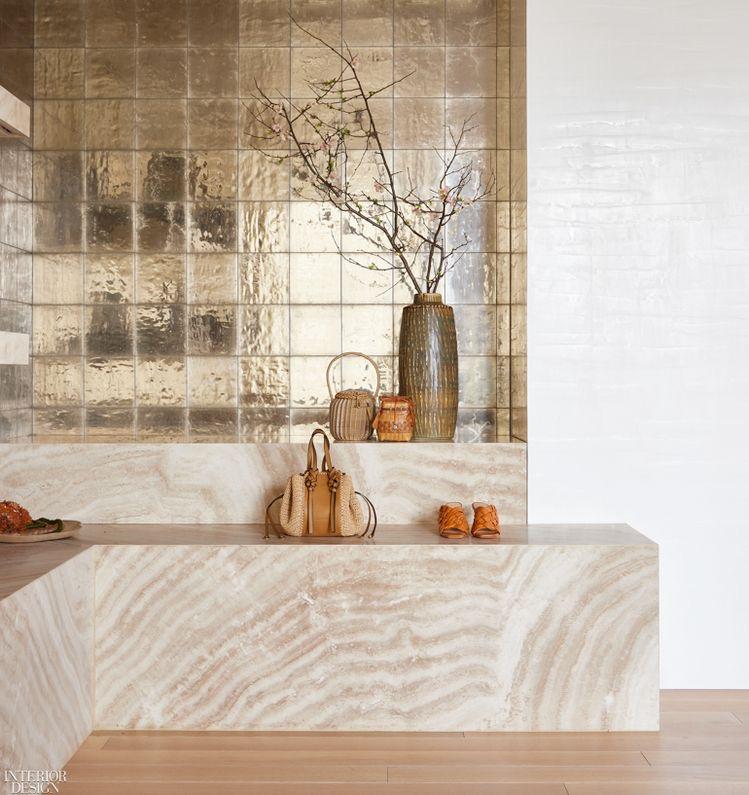
Travertine marble is admired for its timeless beauty, luxurious texture, and natural patterns that bring an earthy elegance to homes and commercial spaces. Its creamy tones, subtle veins, and rustic charm make it a popular choice for flooring, wall cladding, and countertops. However, when it comes to installing travertine marble in Chennai, there are a few critical factors to consider — especially the city’s unique climate conditions.
Chennai, located along the southeastern coast of India, experiences a hot, humid, and saline coastal climate throughout most of the year. These environmental conditions can significantly influence how travertine marble ages, performs, and maintains its appeal over time. Understanding how this natural stone reacts to Chennai’s weather can help homeowners, architects, and builders make informed decisions about installation and maintenance.
1. Understanding Travertine Marble
Travertine is a form of limestone formed by the precipitation of calcium carbonate, typically around mineral springs. Its porous structure gives it a distinct texture but also makes it more susceptible to moisture and staining than denser stones like granite or quartzite.
This porous nature, while aesthetically pleasing, requires special care in tropical coastal climates like Chennai. Proper sealing and maintenance are crucial to preserving its beauty and durability.
2. Chennai’s Climate at a Glance
Chennai’s weather is characterized by:
-
High humidity: Average relative humidity ranges from 60% to 80%.
-
High temperature: Summers often exceed 38°C, with warm nights throughout the year.
-
Monsoon rains: Heavy rainfall during October to December.
-
Coastal salinity: Sea breeze carries salt-laden moisture, which can deposit on building surfaces.
Each of these factors has a unique impact on travertine marble in Chennai, especially in outdoor or semi-outdoor installations.
3. The Effects of Humidity and Moisture
The most significant challenge for travertine marble in Chennai is humidity and water absorption. Travertine’s natural pores allow moisture to seep in, which can:
-
Cause staining or discoloration, especially if not sealed properly.
-
Lead to efflorescence—the white powdery residue that forms when water brings minerals to the surface.
-
Encourage mold or mildew growth in damp indoor areas like bathrooms or near pools.
Preventive Tip:
To counter this, homeowners should ensure high-quality sealing at installation and periodic resealing every 12–18 months. Using a penetrating sealer can reduce water absorption and protect against stains and humidity-related damage.
4. Impact of Heat and UV Exposure
Chennai’s intense sunlight can also affect travertine marble used in outdoor spaces such as terraces, facades, and patios. Prolonged UV exposure can cause subtle fading of lighter shades and may make the surface more brittle over time.
Preventive Tip:
Choosing UV-resistant sealants and lighter tones of travertine marble helps reflect heat and retain color vibrancy. Regular cleaning with mild soap (avoid acidic cleaners) also prevents dust and grime buildup that can dull the surface.
5. Salinity and Coastal Air
The coastal air in Chennai carries salt particles that can settle on exposed surfaces, particularly in beachfront or open-terrace constructions. Over time, these salts can react with the calcium carbonate in travertine, causing surface erosion, pitting, or dullness.
Preventive Tip:
Routine maintenance with fresh water rinses and non-abrasive cleaning agents is vital for outdoor travertine installations. For seaside homes, indoor use of travertine marble is often preferred for longer-lasting beauty.
6. Choosing the Right Finish for Chennai Conditions
Travertine marble comes in various finishes—polished, honed, brushed, or tumbled—each affecting its performance in humid climates:
-
Honed and matte finishes are better for Chennai, as they hide moisture spots and reduce slipperiness.
-
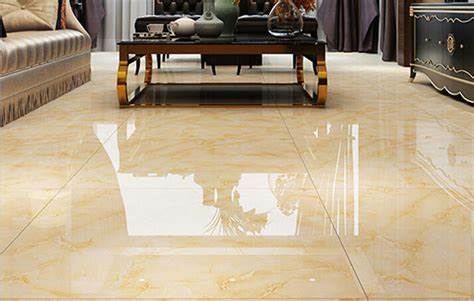
Polished finishes may lose their shine faster in humid air and need more frequent polishing.
-
Tumbled finishes are ideal for rustic outdoor settings, where natural wear complements the look.
When selecting travertine marble in Chennai, always match the finish with the intended use and exposure level.
7. Maintenance and Care Tips
To ensure the long-term durability of travertine marble in Chennai’s climate:
-
Reseal surfaces periodically.
-
Clean spills immediately to prevent staining.
-
Avoid acidic cleaners (like vinegar or lemon).
-
Maintain adequate indoor ventilation to control humidity.
-
Use area rugs or mats in high-traffic zones.
Regular professional maintenance once a year can also help restore shine and fill any micro-cracks before they worsen.
Conclusion
Travertine marble in Chennai can look stunning and perform well for decades when cared for properly. While the city’s humid and saline climate presents challenges, the right sealing, finishing, and maintenance techniques can preserve the stone’s natural elegance.
For homeowners and designers who love the warm, classic appeal of travertine, investing in proper installation and upkeep is the key to ensuring this timeless stone withstands Chennai’s tropical conditions — beautifully and gracefully.