The Geological Story Behind Rosa Terrakota Marble
The Geological Story Behind Rosa Terrakota Marble
Rosa Terrakota Marble has gained immense popularity in contemporary interiors across Chennai, thanks to its warm, earthy tones and natural elegance. But behind its aesthetic charm lies a fascinating geological story that spans millions of years. Understanding this origin not only enhances appreciation for the stone but also guides architects and interior designers in Chennai in selecting it for sophisticated projects.
Formation of Rosa Terrakota Marble
Marble, by definition, is a metamorphic rock formed when limestone undergoes intense heat and pressure over time. Rosa Terrakota Marble is no exception. Its unique pinkish-orange hue comes from trace minerals, particularly iron oxides, present in the original limestone. The combination of geological conditions over millennia causes subtle variations in color and veining, giving each slab a distinctive personality.
The metamorphic process recrystallizes the calcite in limestone, resulting in a dense, durable stone with a fine grain. This structure not only allows for smooth polishing but also ensures longevity, making Rosa Terrakota Marble a reliable choice for both flooring and wall cladding in residential and commercial spaces.
Geological Regions and Origins
While Rosa Terrakota Marble is widely marketed in Chennai, its origin traces back to quarries in regions rich in metamorphic activity. These quarries are typically located in areas where tectonic movements have caused limestone formations to undergo intense metamorphism. Over centuries, natural fractures and mineral deposits create the characteristic veins and patterns seen in each slab.
The mineral composition of Rosa Terrakota Marble varies slightly depending on the quarry, which contributes to subtle differences in hue and texture. For architects and interior designers in Chennai, understanding these variations helps in planning seamless installations and achieving the desired visual effect.
Unique Characteristics of Rosa Terrakota Marble
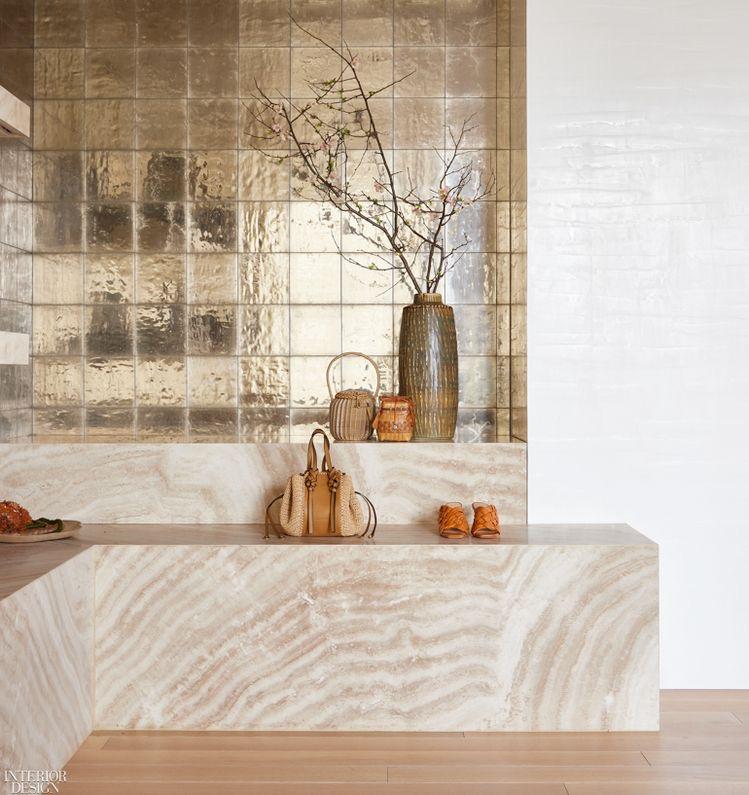
One of the most appealing features of Rosa Terrakota Marble is its warm color palette. Shades range from soft salmon pink to rich terracotta, sometimes interspersed with subtle white or cream veins. This versatility allows it to blend effortlessly with both contemporary and traditional designs.
Beyond aesthetics, its natural strength and polishability make it suitable for high-traffic areas. Unlike other stones that may scratch or stain easily, Rosa Terrakota Marble retains its luster over time when properly sealed. This durability is a significant factor for interior designers in Chennai who aim to create long-lasting, visually striking interiors.
Geological Story Meets Modern Design
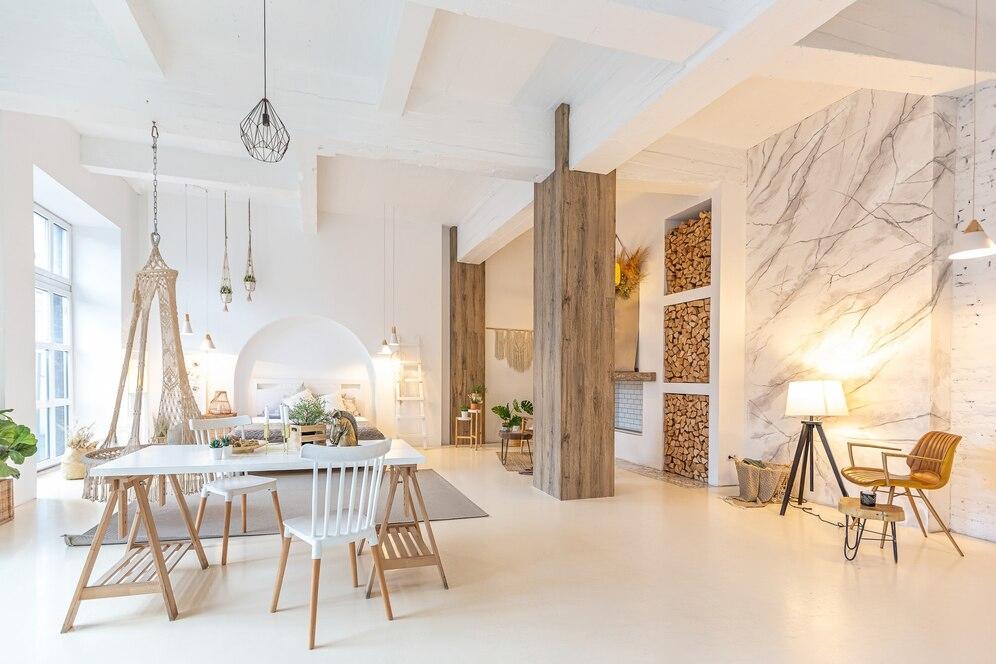
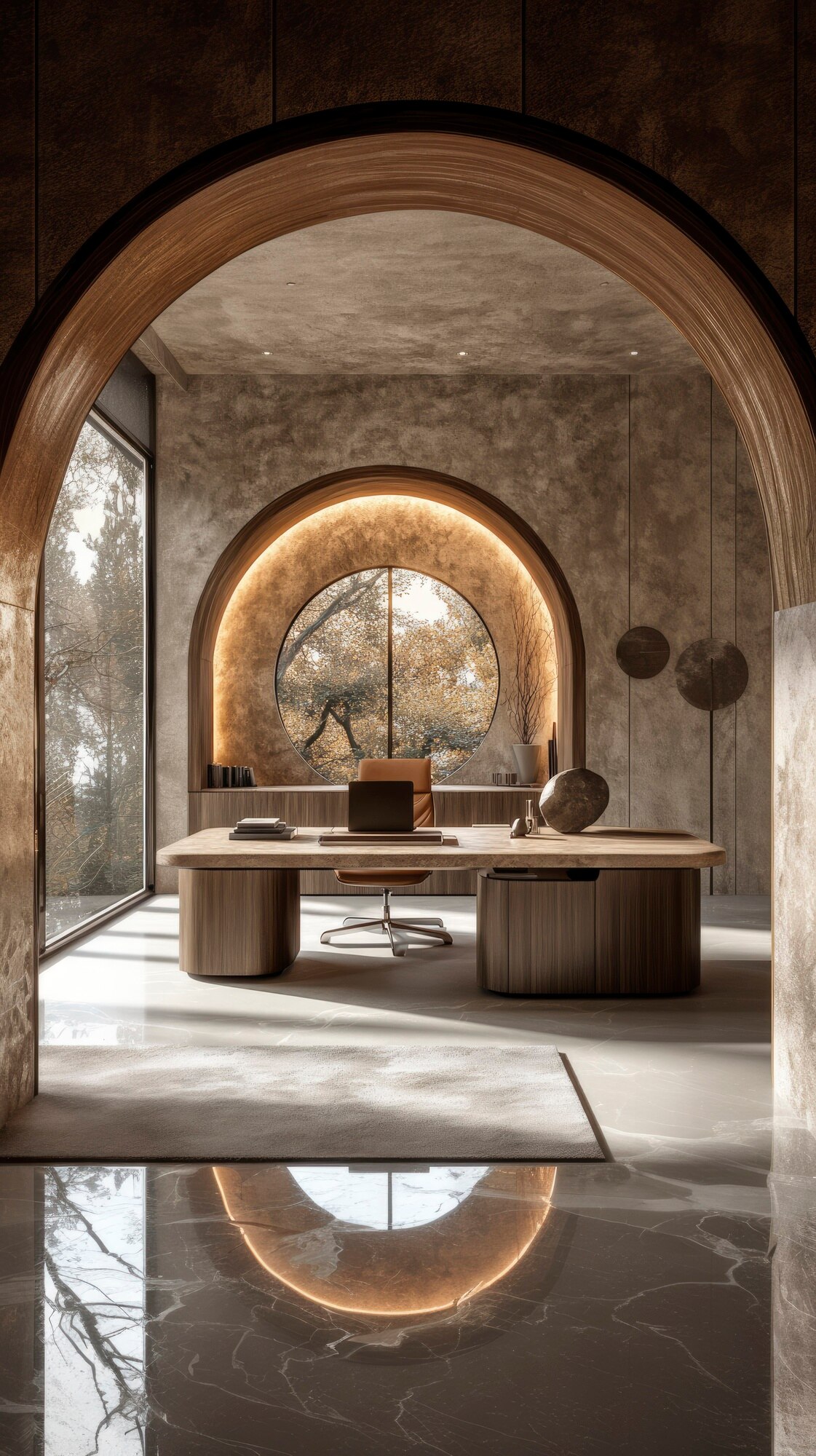
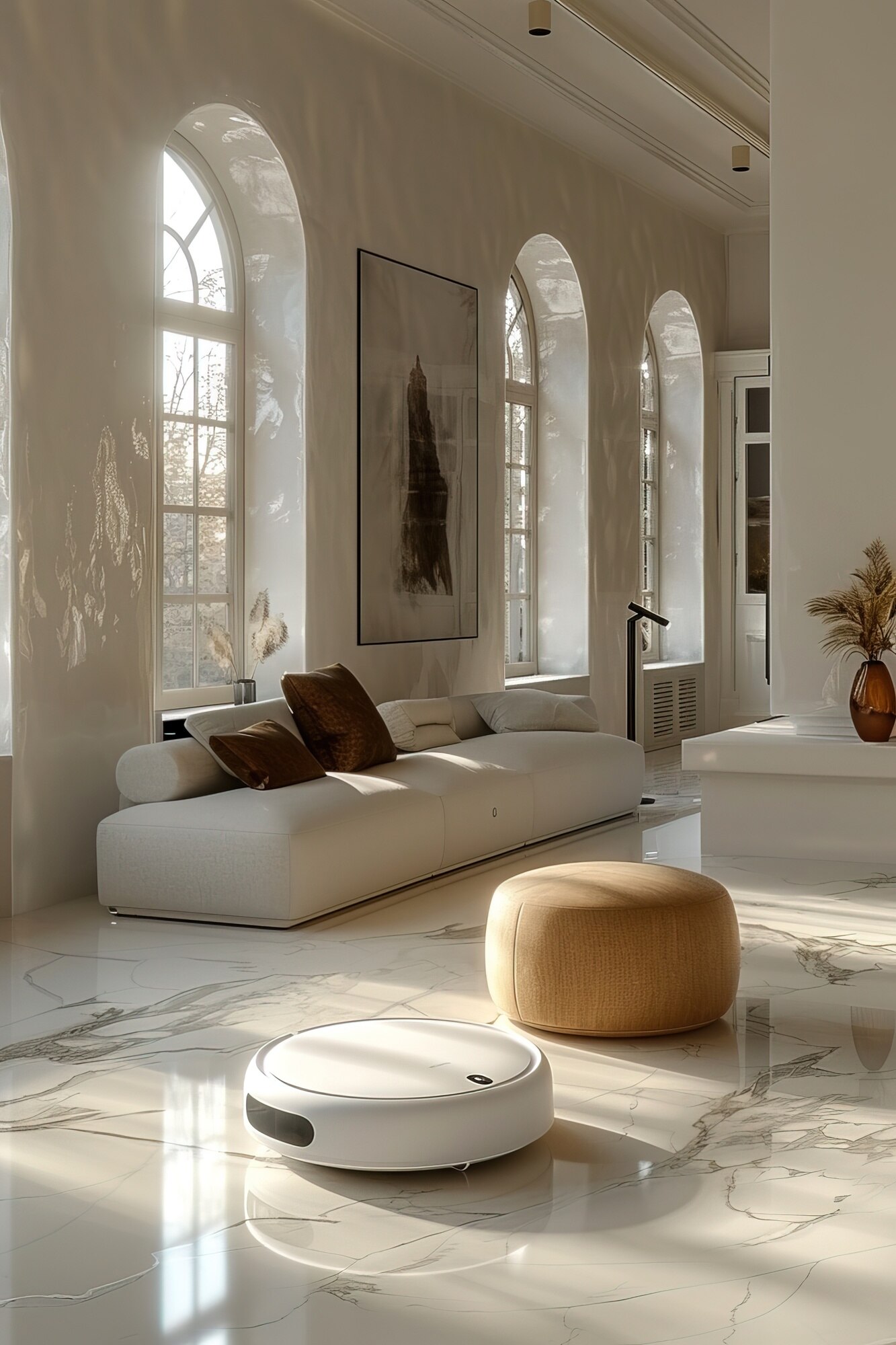
Incorporating Rosa Terrakota Marble in modern architecture and interior design is more than just a trend—it’s a nod to Earth’s ancient history. Designers often leverage its natural veining to create accent walls, countertops, and flooring that tell a story of time, pressure, and mineral evolution.
Its earthy tones provide warmth to spaces, complementing neutral palettes and adding depth to minimalist interiors. Additionally, the stone’s natural origin and eco-friendly mining practices align with the growing emphasis on sustainable design in Chennai’s residential and commercial projects.
Caring for Rosa Terrakota Marble
Understanding its geological nature also informs how to care for Rosa Terrakota Marble. Being a metamorphic stone, it is relatively durable but porous, making it susceptible to stains if not sealed. Routine cleaning with pH-neutral products preserves its natural beauty. Proper maintenance ensures that both the stone and the design intent last for decades.
Conclusion
The allure of Rosa Terrakota Marble is not merely in its color or texture—it lies in the geological journey that crafted it over millions of years. For interior designers in Chennai, this marble offers an opportunity to blend natural history with modern aesthetics, creating spaces that are both timeless and unique.
Choosing Rosa Terrakota Marble is, therefore, more than a design decision—it’s embracing a piece of Earth’s heritage and translating it into elegant, functional interiors.