Volakas Marble in Modern Villas: Inspiring Chennai Project Case Studies
Volakas marble — with its soft white field, dramatic grey veining, and classic Mediterranean allure — has become a favorite for luxury homes worldwide. In Chennai, where coastal light and contemporary South Indian design meet, Volakas Marble in Chennai is increasingly used to create modern villas that feel both timeless and fresh. This blog walks through inspiring project case studies, design strategies, and practical tips for homeowners and designers who want to incorporate Volakas marble into villa projects in Chennai.
Why Volakas marble works for Chennai villas
Volakas marble is prized for its luminous base and distinctive, fluid veins that add movement without overwhelming a space. For Chennai villas, the stone offers several advantages:
-
Visual coolness: The predominantly white background and grey veins reflect light — ideal for Chennai’s bright, tropical climate and for giving interiors a spacious, airy feel.
-
Versatility: Works across minimal, transitional, and more ornamental Indian aesthetics — from clean-lined modern kitchens to classical staircases.
-
Perceived luxury: Volakas carries a premium look that immediately elevates interiors, making it a powerful choice for entrance foyers and living areas where first impressions matter.
Because this post centers on Volakas Marble in Chennai, the case studies below highlight real-world uses that respect both the stone’s character and local living conditions.
Case Study 1 — Minimal Coastal Villa: Open-plan calm
Project brief: A 3,200 sq ft villa near the ECR (East Coast Road) wanted a light, breezy interior with low visual clutter.
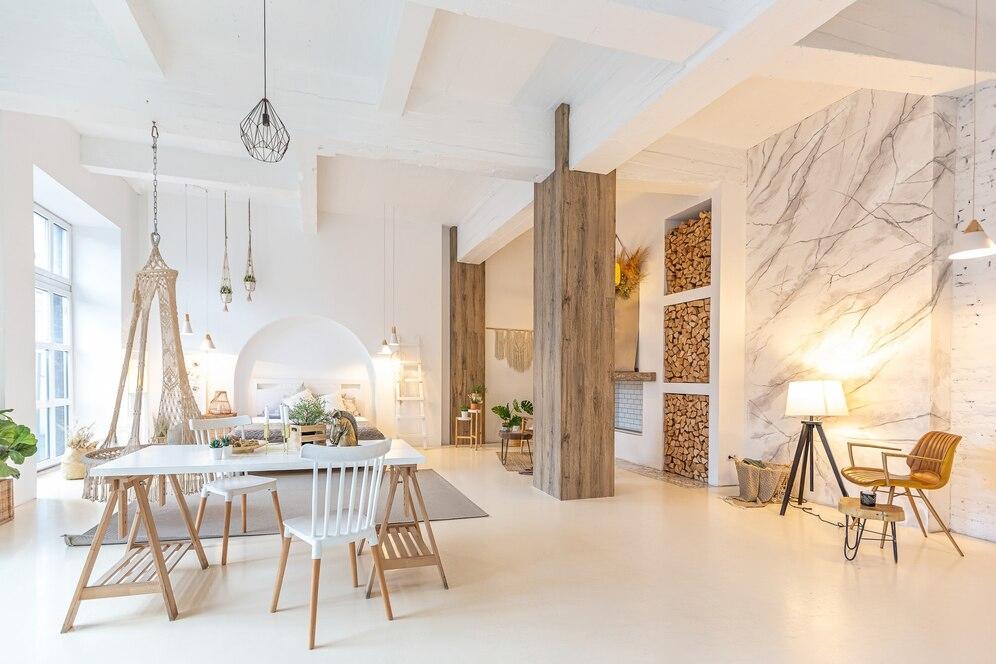
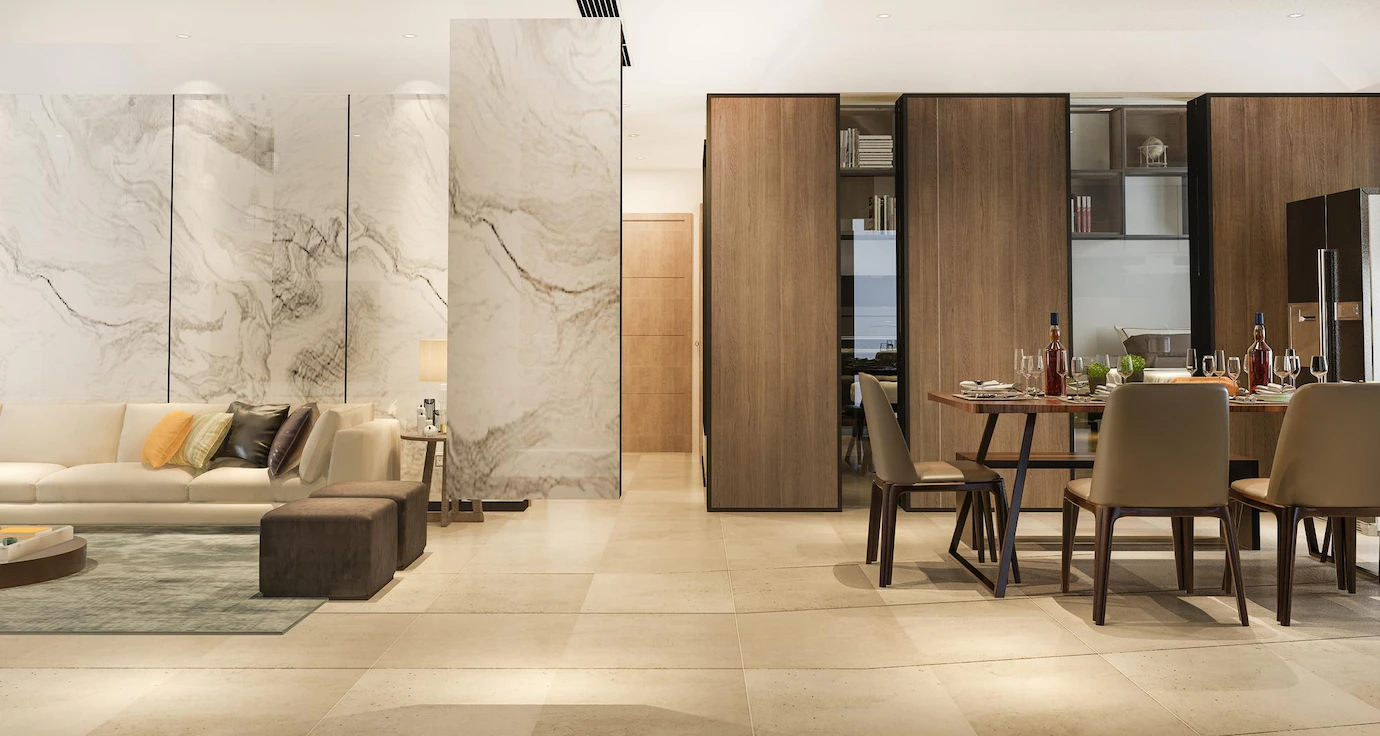
How Volakas was used: Large-format Volakas tiles (1200×2400 mm) were used across the living room and dining area. The slabs were bookmatched on a single feature wall behind the sofa to create a dramatic, continuous vein flow.
Design impact: The white expanses bounced natural light deep into the plan, while the bookmatched veins acted as art — eliminating the need for extra wall décor. The team paired the marble with warm teak joinery and neutral upholstery to keep the palette coastal but cozy.
Lessons: Use large-format slabs to minimize grout lines; combine with warm woods to avoid a sterile feel.
Case Study 2 — Courtyard Villa: Indoor-outdoor continuity
Project brief: A contemporary villa centered around a landscaped courtyard wanted seamless visual continuity between indoor spaces and the courtyard terrace.
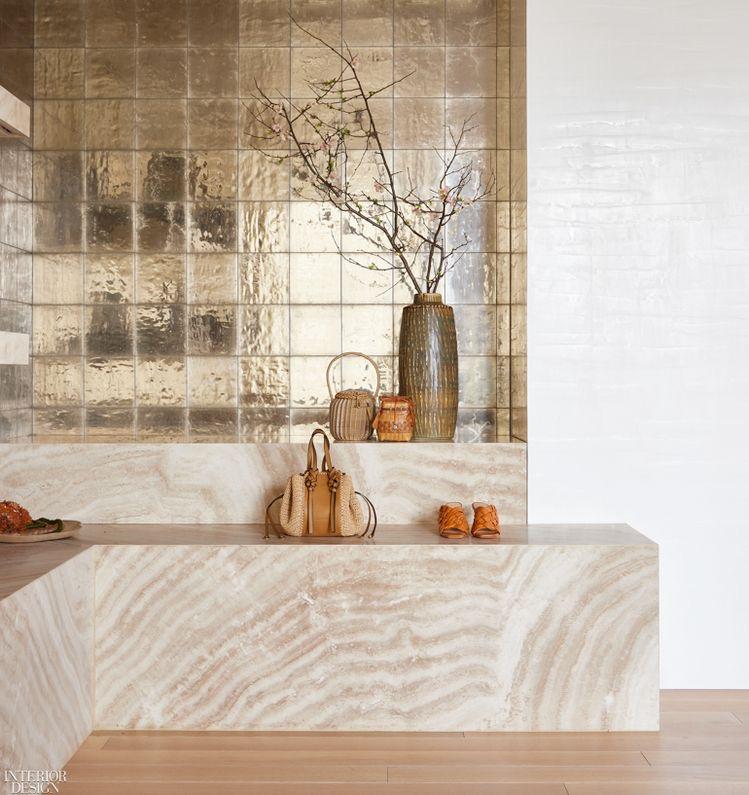
How Volakas was used: Polished Volakas flooring ran from the foyer into the internal courtyard (where covered), with matching thresholds and a custom marble bench bridging the indoors and outdoors.
Design impact: The continuous flooring visually connected internal rooms with the courtyard, making the villa feel larger and more integrated with nature. The grey veins provided a subtle organic link to the greenery outside.
Lessons: For partially exterior applications, choose honed or sealed finishes and confirm slip resistance in consultation with suppliers.
Case Study 3 — Statement Stair and Powder Room: Sculptural drama
Project brief: A compact luxury villa sought a singular material moment that would be both functional and sculptural.
How Volakas was used: A floating staircase riser cladded in bookmatched Volakas and a powder room vanity carved from a single slab created a memorable focal point.
Design impact: The staircase became the villa’s visual spine; the powder room felt like a boutique hotel. Lighting designers used narrow linear fixtures to highlight the marble veins, enhancing the 3D effect.
Lessons: Small, high-impact uses of Volakas can matter more than extensive coverage — and lighting is essential to reveal the marble’s depth.
Practical considerations for using Volakas Marble in Chennai
-
Sourcing & authenticity: Only buy slabs from reputable importers and check for consistent veining and grade. Ask for full-slab photos and, where possible, visit the yard to handpick pieces for bookmatching.
-
Sealing & finishes: Chennai’s humidity and occasional water exposure call for a good penetrating sealer. Polished finishes look luxurious but consider honed finishes for kitchen countertops or outdoor-adjacent areas.
-
Maintenance: Volakas is a natural carbonate stone — avoid acidic cleaners, wipe spills promptly (especially oil and turmeric), and reseal annually or as recommended by the supplier.
-
Budget & waste: Natural stone yield varies. Account for extra slab area (10–20% waste) if you plan bookmatching or large-format applications.
-
Technical installation: Use experienced stone installers; pay attention to substrate flatness, movement joints, and adhesive compatibility for Chennai’s climate.
Design tips to maximize impact
-
Pair Volakas with textured materials (raw plaster, jute rugs, unpolished wood) to warm the palette.
-
Use bookmatching sparingly — on a single feature wall or peninsula it reads as art; overuse can feel busy.
-
Let veins align with sightlines. When used across a long corridor or foyer, orient slab veins to guide the eye toward windows or garden views.
-
Layer lighting — ambient, task, and accent — to make the marble glow at different times of day.
Conclusion
Volakas Marble in Chennai offers designers and homeowners a refined, contemporary material language that works wonderfully in modern villas when specified thoughtfully. Whether used across a grand living floor, as a sculptural stair cladding, or as a single feature element, Volakas brings luminosity, elegance, and a sense of permanence — provided you plan for sourcing, finish, and maintenance appropriate to Chennai’s climate. For architects and villa owners aiming for understated luxury, Volakas is a material worth exploring.