How to Choose the Best Volakas Marble in Chennai: Thickness, Grade & Finish Explained
How to Choose the Best Volakas Marble in Chennai: Thickness, Grade & Finish Explained
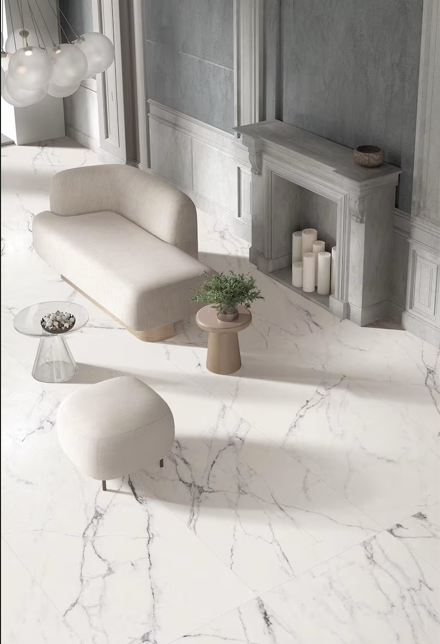
If you’re hunting for Volakas Marble in Chennai, you’ve already picked one of the most elegant natural stones available. Volakas (sometimes spelled “Volakas” or “Volakas” marble) is prized for its soft white background, delicate grey veins and a timeless, luxurious look that suits modern flats, traditional homes and premium commercial spaces alike. But not every slab you see at a supplier’s yard will perform the same — thickness, grade and finish dramatically affect appearance, durability and price. Here’s a practical guide to help you choose the best Volakas marble for your Chennai project.
1. Know where you’ll use it (the single most important factor)
Before getting into technical specs, think about the application:
-
Flooring (high traffic) — needs more durability and thicker slabs.
-
Wall cladding or feature walls — looks-driven, can use thinner slabs.
-
Kitchen countertops or wet areas — needs careful selection because marble is porous.
-
Bathrooms and vanities — moderate thickness with proper sealing works well.
Match the slab choice to use — a beautiful thin slab that chips or stains easily will cost you more in maintenance.
2. Thickness — what to pick and why it matters
Thickness affects strength, installation method and the final look.
-
10–12 mm — commonly used for wall cladding, backsplashes and light-duty vertical surfaces. Lighter and cheaper but more fragile for floors.
-
15–18 mm — a good mid-range choice for many flooring jobs and countertops where structural support is available. Offers reasonable durability without massive weight.
-
20–30 mm — preferred for heavy-duty flooring, island countertops, and situations where you need a premium, robust feel. Thicker slabs resist cracking and feel more luxurious.
For floors in Chennai (humid climate plus occasional heavy loads), 18–20 mm is a safe, long-lasting option. For countertops, 20 mm is common; 30 mm is premium.
3. Grade — how to judge quality
Marble grading is less standardized than engineered stone, but suppliers typically grade by purity, veining, uniformity and defects.
-
A / Premium grade — consistent white background, fine and elegant veins, minimal fissures or discoloration. Best choice for visible areas and high-end finishes.
-
A–B / Commercial grade — good-looking slabs with minor variations in veining and small natural fissures that may be filled. Cost-effective for larger areas where perfect uniformity isn’t essential.
-
B / Utility grade — more noticeable variations, patches or veining; fine for secondary spaces or areas being covered with rugs or fixtures.
When choosing Volakas Marble in Chennai, examine slabs in natural light — look across the entire slab for colour consistency, check for hairline cracks or excessive calcite pockets, and ask how the supplier treats or repairs fissures (resin fills are common).
4. Finish — appearance and maintenance trade-offs
The finish you pick changes both look and how the stone ages.
-
Polished — glossy, depth-enhancing, shows veins vividly. Very popular for luxury interiors but can be slippery when wet and shows watermarks.
-
Honed — matte, softer look, better for floors because it’s less slippery and hides scratches/wear.
-
Leathered / Brushed — textured surface with a soft sheen; sophisticated, hides fingerprints and is less reflective than polished.
-
Tumbled — antiqued look (rare for Volakas), more rustic and porous.
For Chennai homes where humidity and occasional wet floors are concerns, a honed or leathered finish for flooring provides safer grip and lower maintenance, while polished works beautifully for feature walls, reception areas and furniture tops (with proper sealing).
5. Practical checks at the supplier
When you visit a yard in Chennai:
-
Inspect full slabs, not just small samples.
-
Ask to see slabs from the same lot to ensure consistent veining across multiple pieces (important for large floors).
-
Tap the slab — a clear ringing sound usually indicates a dense, sturdy piece.
-
Ask about sealing and recommended sealants — marble needs periodic sealing, especially in kitchens and wet zones.
-
Check return policies and ask about cutting/splitting tolerances and transport damage coverage.
6. Maintenance & long-term care
Marble is natural and requires care:
-
Seal on installation and re-seal periodically (frequency depends on usage).
-
Clean with pH-neutral cleaners; avoid acidic cleaners that etch marble.
-
Wipe spills quickly — especially oils, lemon or tomato which can stain.
-
For high-use counters, consider a maintenance plan or using engineered alternatives in high-risk spots.
7. Budget considerations
Volakas marble is premium: thickness, grade and finish all add cost. To stretch a budget:
-
Use premium slabs for focal areas (living room, feature wall) and cost-effective grades for secondary areas.
-
Mix finishes: polished walls + honed floors balances luxury with practicality.
-
Buy slightly larger slabs to reduce grout lines and installation time, which can lower long-term costs.
Final recommendation
If you want classic luxury with longevity in Chennai, aim for premium (A) grade Volakas Marble in 18–20 mm thickness with a honed or leathered finish for floors and polished finish for feature walls or vanities. Always inspect full slabs in person, confirm sealing and cutting services with your supplier, and plan a maintenance routine.